Remember, while the cost of braces may seem daunting, a healthy smile can make a huge difference in confidence for both kids and adults. Luckily, braces have improved a lot in the past couple of decades. Technology has made them more comfortable and attractive than the braces most parents remember wearing.

Braces for Kids

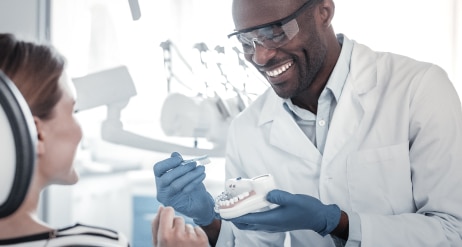
The British Orthodontic Society says that children typically start orthodontic treatment at the age of around 12 or 13. By this age a child’s adult teeth will have erupted, but sometimes they may be referred by their general dentist before this age. During the initial assessment, the orthodontist will take a panoramic X-ray and evaluate the bite and dental impressions to determine what treatment the patient will need. You will schedule a second appointment to discuss the treatment plan and decide the steps to take for orthodontic treatment. Additional treatment could include a palatal expander or other appliances if the orthodontist feels that it's necessary to correct the bite.

Braces for Adults

While childhood may be the ideal time to remedy cosmetic or bite problems, adults can still look forward to achieving great results by seeking orthodontic treatment. In fact, according to a 2019 British Orthodontic Society survey, 75% of practices have seen an increase in the number of patients over the age of 18. If you're thinking about orthodontic treatment as an adult, there are a few elements to consider:

  • Bone maturity: Adult bones have stopped growing, making them denser, so surgery may be needed for structural changes.
  • More prolonged treatment: It may take longer than it would for a child or teen. The length of treatment varies, but braces for adults will take several months longer.
  • Additional dental specialist: Depending on your age, your orthodontist may refer you to a periodontist to evaluate if there are any issues regarding gum tissue or bone.

Types of Braces

Braces straighten a misaligned bite by using gentle, constant pressure to shift teeth gradually. An orthodontist determines a braces treatment plan after first performing a comprehensive oral exam. This exam includes taking panoramic (full picture of head) and cephalometric (side view of head) X-rays and dental impressions.

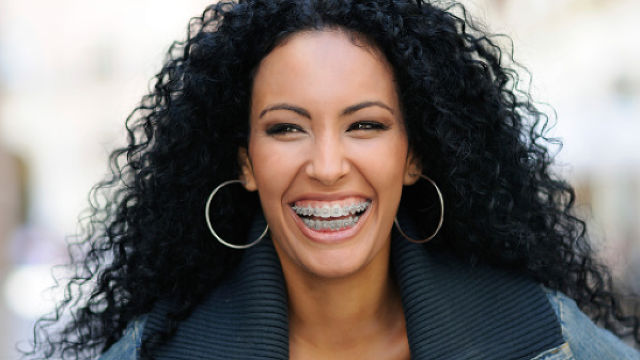
  • Traditional braces:  Metal braces hold the wires between the brackets in place and are ideal for correcting tooth overcrowding. They give your orthodontist the ability to move teeth in small increments and are often less expensive than other cosmetic options or aligners. The costs of traditional metal braces will vary depending on your location and individual needs.
  • Self-Ligating Braces:  The braces are attached to the tooth, and a metal door on the bracket holds the archwire freely in place. This helps to move teeth naturally as they straighten. Unlike traditional braces, there is no need for rubber bands or elastic rings to hold the orthodontic wire to the bracket. There are self-ligating ceramic braces for those seeking a less noticeable option. Still, both metal and ceramic versions deliver a constant, gentle force to align teeth to the desired position. Typically, they’re more expensive initially, but because the braces are self-ligating, you'll pay for fewer dental appointments.
  • Lingual braces:  If the classic metal mouth look doesn't appeal to you, lingual braces secure to the back of the teeth. An important difference between lingual and ordinary braces is that lingual brackets must be customised to fit the teeth. This extra fabrication makes this type more expensive, but the cost depends on the number of teeth that the lingual braces are attached to, as well as other factors.
  • Ceramic braces:  While the design is similar to metal braces, these braces are made with a transparent ceramic that matches the colour of the teeth, creating a subtler appearance. Ceramic braces are well-suited for many patients without severe misalignments. Your orthodontist will let you know if you're a good candidate for these braces after examining your teeth. The cost will vary according to several factors, including your location.
  • Removable aligners:  These are an alternative to traditional braces and fit over teeth similar to a mouthguard. They can be easily removed before eating and for cleaning purposes. The removable aligner treatment plan includes wearing many aligners during your orthodontic treatment. The old aligner will be removed each time you visit the orthodontist, and a new aligner will be replaced to move your teeth. Meet with your orthodontist to determine if clear aligners are a good choice for you. Full treatment may require a series of properly fitted aligners, the costs of which vary from place to place.

Ways to Pay

If you have insurance, it might cover a portion of the cost, particularly the dental appointments needed. If the braces are required for serious health reasons as an adult, the NHS will pay for most of your treatment, meaning you will only have to pay the band 3 charge of £269.30. If you don’t qualify for this, many dentists let you pay a deposit followed by monthly instalments to spread out the cost over time.

Keep in mind, it's not just about asking, "how much do braces cost?" Your orthodontist will diagnose and determine the correct treatment at the right time, to help you or your child achieve a great smile. The costs for each type of treatment plan noted above will vary depending on location, orthodontist, age, and specific diagnosis.

This article is intended to promote understanding of and knowledge about general oral health topics. It is not intended to be a substitute for professional advice, diagnosis or treatment. Always seek the advice of your dentist or other qualified healthcare provider with any questions you may have regarding a medical condition or treatment.